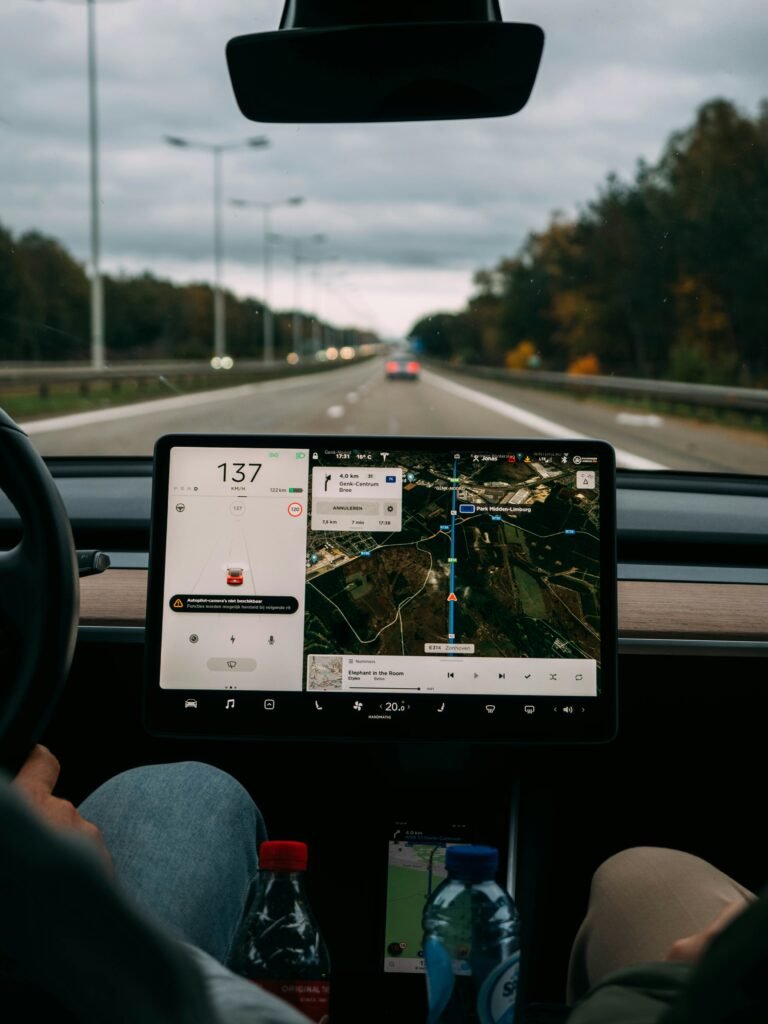

GPS tracking has evolved far beyond simple location monitoring. Today, it’s merging with AI, IoT, blockchain, and 5G connectivity, creating smarter, faster, and more reliable solutions. The future of GPS tracker lies in innovation that not only pinpoints location but also delivers predictive insights, automation, and seamless integration into everyday life.
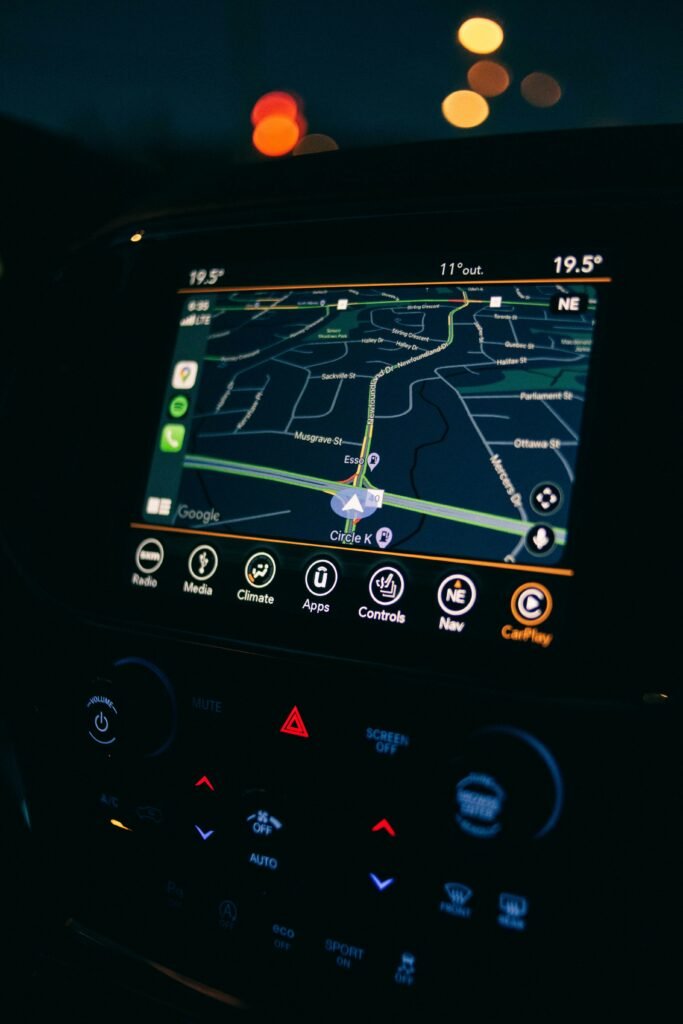
🚀 Emerging Technologies in GPS Tracking: Shaping the Future of GPS Tracker
🌐 Key Emerging Technologies
- 🤖 Artificial Intelligence (AI) Integration
- Predictive analytics for fleet management.
- AI‑driven alerts that anticipate risks before they occur.
- 📡 5G Connectivity
- Ultra‑fast data transfer for real‑time tracking.
- Enables high‑resolution mapping and instant communication.
- 🔗 Blockchain Security
- Tamper‑proof tracking logs for logistics and supply chains.
- Enhances trust in sensitive industries like pharmaceuticals and finance.
- 🌍 IoT Ecosystem Expansion
- GPS trackers connected with smart devices (cars, drones, wearables).
- Real‑time monitoring of assets, pets, and people with seamless automation.
- 🛰️ Next‑Gen Satellite Systems
- Improved accuracy with low‑orbit satellites.
- Reliable coverage even in remote or rural areas.
📈 How These Technologies Transform Everyday Life
- Business Efficiency
- Smarter fleet management with AI + IoT.
- Reduced costs through predictive maintenance.
- Personal Safety
- Wearable trackers for kids, elderly, and solo travelers.
- Blockchain ensures privacy and data integrity.
- Global Logistics
- Real‑time supply chain visibility.
- Enhanced trust with tamper‑proof blockchain records.
🔮 The Future of GPS Tracker
The future of GPS tracker is not just about knowing where something is — it’s about understanding why it’s there, what might happen next, and how to act instantly. With AI, 5G, and IoT integration, GPS trackers will become decision‑making tools rather than passive devices. Businesses will gain predictive insights, individuals will enjoy enhanced safety, and society will benefit from smarter cities and connected ecosystems.
Key Trends in GPS Tracking Solutions
🚀 Growing Interest in Real‑Time Tracking Capabilities
Modern users expect instant visibility. The future of GPS tracker is centered on real‑time updates that go beyond simple dots on a map. Businesses can monitor fleets with second‑by‑second accuracy, while individuals track loved ones, pets, or valuables without delay. This immediacy builds trust, reduces risks, and ensures peace of mind.
🎯 Shift Towards User‑Friendly Interfaces for Consumers
Gone are the days of complex dashboards. The future of GPS tracker emphasizes intuitive, app‑based interfaces that anyone can use. Clean visuals, interactive maps, and simple alerts make GPS tracking accessible to parents, travelers, and small businesses alike. User‑friendly design ensures adoption across all age groups and tech skill levels.
🔐 Enhanced Security Features in Modern GPS Devices
Security is no longer optional — it’s a necessity. The future of GPS tracker integrates end‑to‑end encryption, blockchain logs, and tamper‑proof systems to protect sensitive data. Whether it’s safeguarding a child’s location or securing a shipment of high‑value goods, advanced security features guarantee privacy and reliability.
The Role of Data Analytics in GPS Tracking
📊 How Data Analytics Enhances Tracking Insights
Modern GPS devices don’t just show location — they analyze patterns. With advanced data analytics, the future of GPS tracker lies in turning raw coordinates into actionable insights.
- Route Optimization: Identify the fastest, most fuel‑efficient paths.
- Behavior Analysis: Monitor driver habits like speeding or idling.
- Predictive Maintenance: Spot issues before breakdowns occur.
🏢 Case Studies: Data‑Driven Decisions Improving Operations
- 🚚 Logistics Company: By analyzing GPS data, a fleet reduced fuel costs by 20% through optimized routes.
- 🏗️ Construction Firm: GPS insights helped track equipment usage, cutting idle time and saving thousands monthly.
- 📦 E‑Commerce Delivery: Real‑time analytics improved delivery accuracy, boosting customer satisfaction scores.
These examples show how the future of GPS tracker is about smarter decisions, not just location tracking.
🔮 Future Possibilities for Predictive Analytics in Tracking
The next wave of GPS technology will combine AI + predictive analytics to forecast outcomes:
- Accident Prevention: Predict risky driving behavior before it leads to incidents.
- Supply Chain Forecasting: Anticipate delays and reroute shipments automatically.
- Smart Cities: Integrate GPS data with traffic systems to reduce congestion.
The future of GPS tracker is predictive, proactive, and deeply integrated into everyday operations.
Consumer Preferences: What Users Want from GPS Trackers
📈 Trends in Consumer Demand for Features and Functionalities
Consumers today expect GPS trackers to be more than just location devices. The future of GPS tracker is shaped by demand for:
- Real‑time updates with minimal lag.
- Compact, wearable designs for kids, pets, and personal use.
- Smart integrations with mobile apps, smart homes, and vehicles.
- Long battery life and eco‑friendly energy solutions.
🎨 Importance of Customization and Flexibility
One size no longer fits all. The future of GPS tracker emphasizes customization:
- Adjustable alerts (speed, zone entry/exit, unauthorized movement).
- Flexible dashboards tailored for businesses vs. individuals.
- Integration with industry‑specific tools (logistics, healthcare, travel).
- Modular features that allow users to pay only for what they need.
🗣️ Feedback on Current Products and Areas for Improvement
Consumer feedback highlights both strengths and gaps:
- 👍 Strengths: Accuracy, affordability, and wide availability.
- 👎 Weaknesses: Short battery life, limited coverage in rural areas, and complex interfaces.
- 🔧 Improvement Areas:
- Smarter AI‑driven insights.
- Enhanced security with blockchain and encryption.
- More intuitive, user‑friendly apps.